


Meet Jessie Wong
Meet Jessie Wong
Founder and Executive Director of Autism Behavioral Health, a CASP member organization
Biography
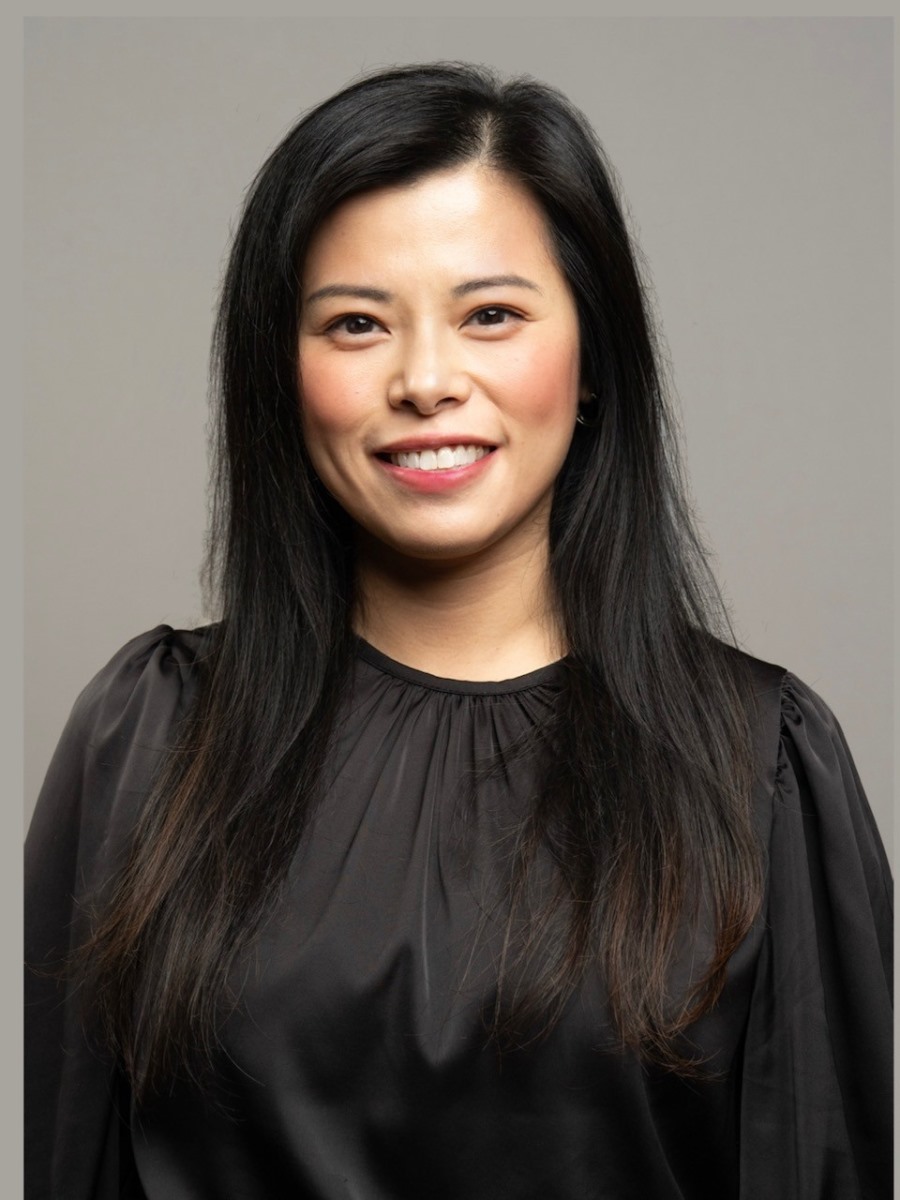 Jessie Wong is the founder and executive director of Autism Behavioral Health (ABH), a Connecticut-based provider of autism services. She has worked in the field of ABA since 2007, serving in a variety of direct-care, clinical, leadership, and executive roles throughout her career.
In 2017, Jessie founded ABH with Dr. Ali Sadeghi, her late mentor, with the vision of creating an organization that delivers high-quality, compassionate care while fostering a supportive workplace culture for employees. Over the past nine years, ABH has served hundreds of families throughout Connecticut and has been recognized as a Top Workplace since 2020.
Jessie is currently pursuing her Ph.D. in Applied Behavior Analysis with a focus on Organizational Behavior Management (OBM). Her professional interests include psychological safety, employee retention, leadership development, and building systems that help both team members and the individuals they serve succeed. She remains passionate about advancing the field through evidence-based practices, meaningful relationships, and a commitment to lifelong learning.
Interview
Tell us about Autism Behavioral Health. What are you most proud of?
I am most proud of the team we have built at Autism Behavioral Health. ABH was founded with a simple mission: to provide exceptional evidence-based, high-quality autism services while creating a workplace where people feel valued, supported, and empowered to grow.
We have worked intentionally to create a culture where team members feel comfortable asking questions, seeking support, sharing ideas, and reporting mistakes without fear of judgment. We believe that mistakes are inevitable, and what really matters is whether we create an environment where people can learn from them, improve, and continue growing. In addition, I am very proud of the cohesiveness of our team, the trust they have in one another, and their shared commitment to our clients and families. This is what makes ABH special. Watching our team members develop professionally while making a meaningful difference in the lives of others continues to be the most rewarding part of my work.
What, in your opinion, is the single biggest challenge faced by autism service providers today?
I believe that the biggest challenge facing autism service providers today is workforce sustainability. Demand for services continues to grow while providers face persistent challenges of recruiting, developing, and retaining qualified team members. As we know, high turnover creates disruptions for families, increases operational strain, and impacts the continuity of care our families deserve to have.
As behavior analysts, we have spent decades refining interventions that improve outcomes for our clients clinically. I believe we should apply those same scientific principles to supporting our workforce. This is one of the reasons I am so passionate about Organizational Behavior Management (OBM). OBM provides a framework for understanding how leadership, feedback systems, performance support, recognition, and workplace culture influence employee behavior and retention.
I truly believe that if we can create environments where employees feel psychologically safe, supported, and connected to a meaningful purpose, we will not only retain great clinicians and technicians, but we will also strengthen the quality and sustainability of services for the families who depend on us.
As an autism service provider, what have you found to be the biggest benefit of CASP membership?
The biggest benefit of CASP membership is the opportunity to learn from and connect with other leaders who are committed to advancing autism services. CASP provides a valuable network for sharing ideas, discussing challenges, and learning from one another's experiences. It is reassuring to know that many of us are working through similar issues and striving toward the same goal of improving services for individuals with autism and their families.
When you're not working, what do you like to do for fun?
During my free time, I love spending time and traveling with my children Anabella, who will be 18 this summer, and Peyton, who is 14. I love to experience life, explore new cultures, and create memories with them. Travel has taught me to appreciate different perspectives, connect with people from diverse backgrounds, and remain curious about the world around me. I also love trying new recipes and restaurants, discovering great cocktail bars, and maintaining an active lifestyle.