Back to Events
Webinars

The Autism Spectrum Disorders (ASD) Assessment Guidelines for Behavior Analysts

A collaboration between CASP and APBA

Thursday, May 14, 2026
3:00 PM - 4:00 PM (EDT)

Event Details

Abstract

The Council of Autism Service Providers (CASP) and the Association of Professional Behavior Analysts (APBA) have collaborated to develop The Autism Spectrum Disorders (ASD) Assessment Guidelines for Behavior Analysts, a resource designed to strengthen assessment practices for clinicians working with autistic individuals. High-quality assessment is foundational to ethical, effective, and individualized ABA services, yet practitioners often face challenges related to measure selection, administration fidelity, and regulatory expectations. This session will introduce the ASD Assessment Guidelines, and guide attendees through practical application of the ASD Assessment Repository, including how to efficiently search for and select assessments based on individual client characteristics. By grounding assessment decisions in these guidelines, practitioners can improve clinical decision-making and enhance treatment relevance. This collaboration reflects a shared commitment by CASP and APBA to elevate assessment competence across the field and ultimately improve outcomes for autistic individuals and their families.


Learning Objectives

  1. Summarize the purpose and scope of the ASD Assessment Guidelines, including the ethical and regulatory issues they are designed to address.
  2. Describe core considerations for selecting and interpreting multi-modal ASD assessments.
  3. Identify how the ASD Assessment Repository can be used to support assessment selection decisions based on client characteristics.
This webinar offers 1.0 BACB Ethics CEU.


Cost

  • CASP Members - free
  • non-members - $20

Presenters

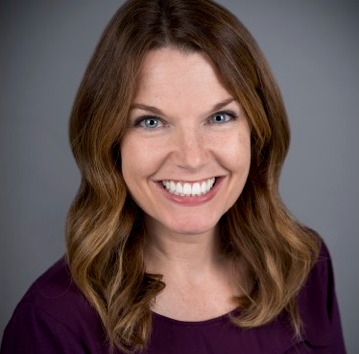
Molly Dubuque, MA, BCBA, LBA

Molly Dubuque, MA, BCBA, LBA (KY) earned her master’s degree in psychology with an emphasis in behavior analysis from the University of Nevada, Reno in 2008. She has spent more than 25 years providing clinical services across a wide range of organizations, treatment settings, and age groups, serving in roles that include technician, auditor, supervisor, clinical director, and training coordinator, both domestically and internationally. Throughout her work in university and clinical settings, Molly has supervised over 100 trainees who are now Board Certified Behavior Analysts. Her professional focus has centered on the development of supervision systems that support supervisors overseeing fieldwork for trainees at all stages of their professional development. She is particularly interested in creating sustainable, high-quality supervision practices that promote both trainee competence and supervisor well-being. Molly previously served on the Executive Board of the Behavior Analyst Certification Board (BACB) as Vice President and Secretary, as well as the master’s representative, from August 2018 through August 2024. She has also held leadership roles within state associations, including Secretary/Treasurer of the Nevada Association for Behavior Analysis (NABA) and Representative and later President of the Kentucky Association for Behavior Analysis (KYABA). Molly is currently the Chief Executive Officer of the Association of Professional Behavior Analysts (APBA), where she is grateful to focus her work on supporting professional behavior analysts through advocacy, professional development, and systems that strengthen ethical and sustainable practice. Outside of her professional work, Molly enjoys walking her dogs while listening to podcasts, playing pickleball with her husband, and cheering her son on in his current interests.
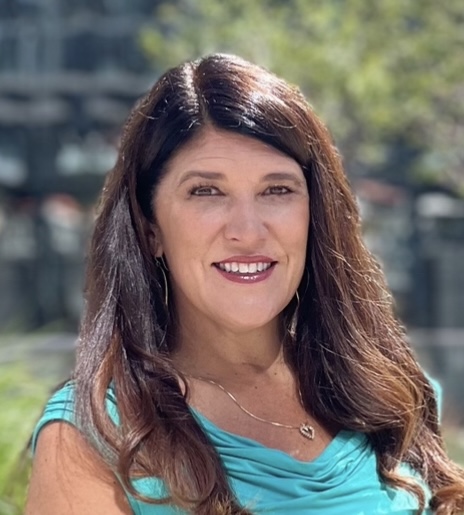
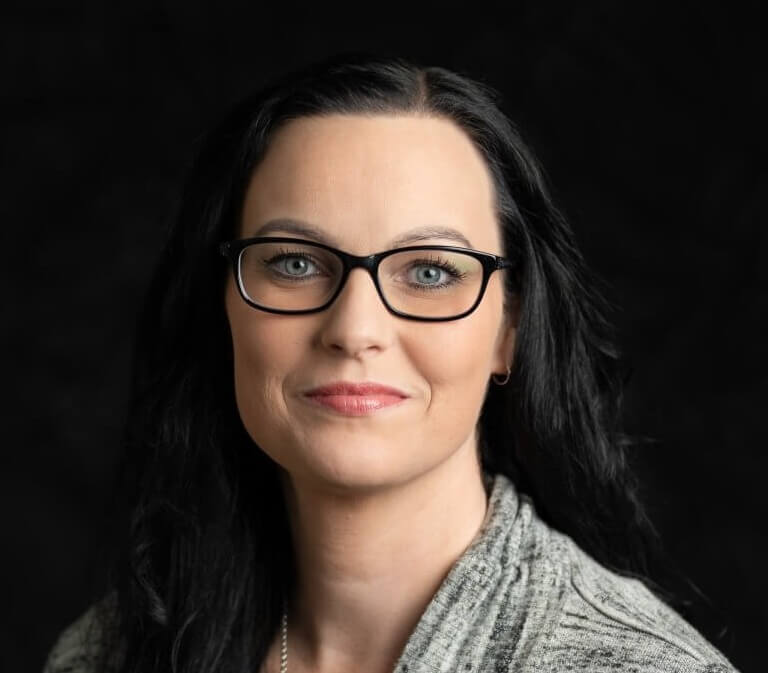
Chanti Fritzsching Waters, EdD, BCBA-D

Dr. Chanti Fritzsching Waters is a seasoned leader in the field of Applied Behavior Analysis, bringing over 30 years of experience spanning clinical practice, research, teaching, and policy development. She joined ABS Kids in 2020, where she currently serves as Vice President of Clinical and Regulatory Affairs. In this role—and previously as Vice President of Quality Assurance—Dr. Waters partners with executive leadership to implement clinical best practices, evaluate client outcomes, and oversee regulatory compliance to ensure high-quality, evidence-based care across the organization.

Her leadership extends beyond ABS Kids. Dr. Waters has served on the Board of Directors for the Association of Professional Behavior Analysts (APBA) since 2022 and currently holds the role of Secretary on its Executive Committee. She is also a member of the ABA Coding Coalition and actively contributes to several professional committees and special interest groups. Since 2019, she has supported the Behavior Analyst Certification Board (BACB) as a subject matter expert. Most recently, in 2024, she was appointed to the Standards Committee of the Autism Commission on Quality, where she helps shape national benchmarks for autism service providers seeking accreditation.

Dr. Waters has also contributed significantly to academia and research. She has taught graduate-level ABA coursework and presented at numerous professional conferences. Her 2020 publication—a clinical replication study of the Lovaas model—demonstrated the effectiveness of early intensive behavioral intervention (EIBI) in a community setting, following foundational work she supported in another EIBI replication in 2006. Her current research focuses on training new BCBAs in clinical interviewing techniques to strengthen family collaboration and engagement.

She earned her Master of Science in ABA Psychology from California State University, Stanislaus, and holds both an Education Specialist (Ed.S.) degree and a Doctor of Education (Ed.D.) in Curriculum and Instruction from the University of West Florida. Dr. Waters lives on California’s Central Coast with her family.

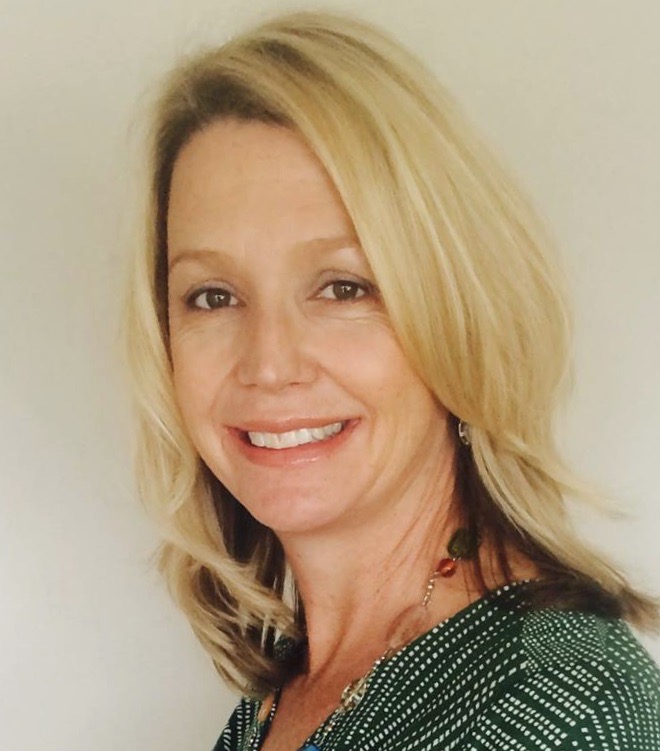
Sara Weinkauf, PhD, BCBA, LBA

Sara Weinkauf is the director of education and resources at CASP. Sara has been a board certified behavior analyst (BCBA) since 2010. While she has gained behavior analytic experience across a wide variety of contexts, she has dedicated the majority of her career to enhancing quality of life for individuals with autism and their families as well as supporting service providers in achieving that goal within a collaborative and supportive environment. Her primary area of expertise and interest has been increasing the quality of autism intervention services across home, clinic, school, and other community settings through high-quality staff training and support, along with systematic treatment program evaluation and guidance.

Additionally, Sara has experience with conducting and publishing behavior analytic research and book chapters, providing support services across the lifespan for individuals with a variety of developmental disabilities and behavioral disorders, training staff to use effective behavior management strategies in residential facilities, working with parents and caregivers of children with a history of abuse and/or neglect, and providing consultation to support school staff in overall classroom management strategies and individualized support for neurotypical children with behavior challenges.

She began her behavior analytic education and training in 2004 while receiving her undergraduate degree in psychology, with an emphasis in behavior analysis, from the University of Wisconsin-Eau Claire. She went on to receive her master’s degree in behavior analysis from the department of behavior analysis at the University of North Texas and her doctorate degree in infant and early childhood development with an emphasis on mental health and developmental disabilities from Fielding Graduate University.