
Back to Events

AI: Vendor Engagement Before And After Deployment of Technology

Tuesday, February 24, 2026
12:00 PM - 1:00 PM (EST)

Event Details

Abstract

As artificial intelligence (AI) tools increasingly enter applied behavior analysis (ABA) service delivery, behavior analysts must ensure that innovation does not outpace ethical responsibility, clinical integrity, and regulatory compliance. This presentation provides a structured framework for evaluating and embedding AI systems into ABA organizational workflows using four core pillars identified in the CASP AI guidance: data security, technical transparency, evaluation frameworks, and domain expert involvement.
Participants will examine how AI tools intersect with client privacy protections, professional accountability, and Generally Accepted Standards of Care (GASC). The session will review essential safeguards such as encryption, audit trails, and regulatory compliance (e.g., HIPAA), as well as indicators of technical transparency including explainability, bias mitigation, validation practices, and risk management. Attendees will also explore how structured evaluation frameworks and ongoing domain expert oversight protect against clinical misuse, deskilling, and ethical drift.
Through guided discussion and applied vendor-evaluation questions, participants will learn how to critically assess AI products to ensure they enhance—rather than replace—clinical judgment. This presentation supports ethical decision-making and responsible technology integration in ABA practice while maintaining alignment with professional standards and client welfare.


Learning Objectives

  1. Define and describe the four core pillars for embedding AI into ABA workflows—data security, technical transparency, evaluation frameworks, and domain expert involvement—and explain their relevance to protecting clients and maintaining compliance with legal and ethical standards

  2. Identify and evaluate key data security safeguards (e.g., encryption, access controls, audit trails, regulatory compliance) necessary to protect protected health information (PHI) across the AI lifecycle in ABA service delivery

  3. Analyze indicators of technical transparency in AI systems, including explainability, auditability, bias mitigation, and validation practices, to determine whether a tool supports—rather than replaces—clinical judgment

  4. Apply structured evaluation questions to assess whether an AI vendor’s tool aligns with evidence-based practice, Generally Accepted Standards of Care (GASC), and ethical accountability through the involvement of qualified domain experts
This webinar offers 1.0 BACB Learning CEU.


Cost

  • CASP Members - Free!
  • Non-Members - $20.00

Presenters

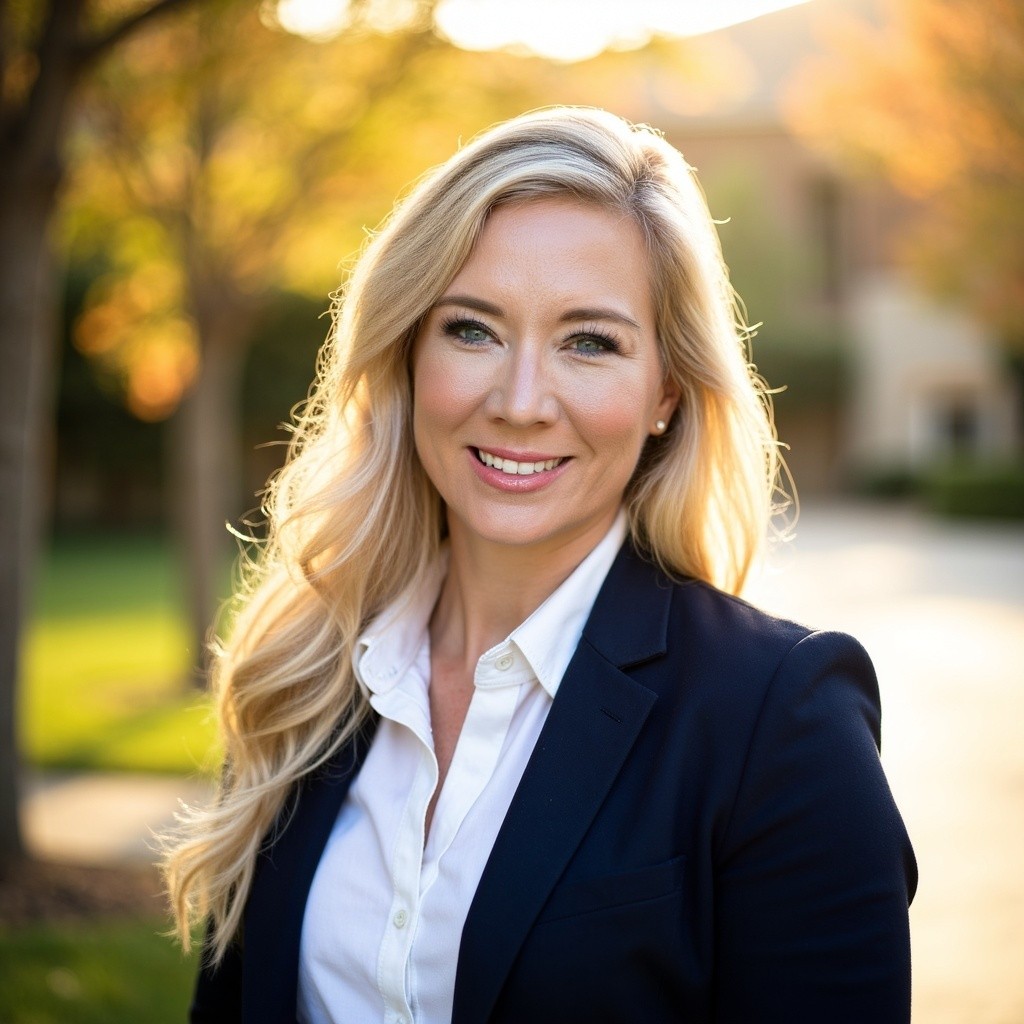
Summer Gainey, BCBA-D, LBA

Dr. Summer B. Gainey, PhD, LBA, BCBA-D, is a clinical leader with nearly three decades of experience advancing outcomes in autism services and ABA. She brings a data driven and regulatory aligned approach to clinical strategy, quality, and organizational growth. Over her career, she has led large scale quality initiatives, founded and scaled successful clinical programs, and held leadership positions that bridge clinical vision with operational excellence. Dr. Gainey has also held academic appointments, authored peer reviewed publications, and served on state advisory councils shaping autism policy. She is nationally recognized for her expertise in clinical governance, AI integration in ABA and outcomes measurement. In every role, Dr. Gainey has centered families, upheld excellence in service delivery, and brought forward solutions that makes services more accessible.

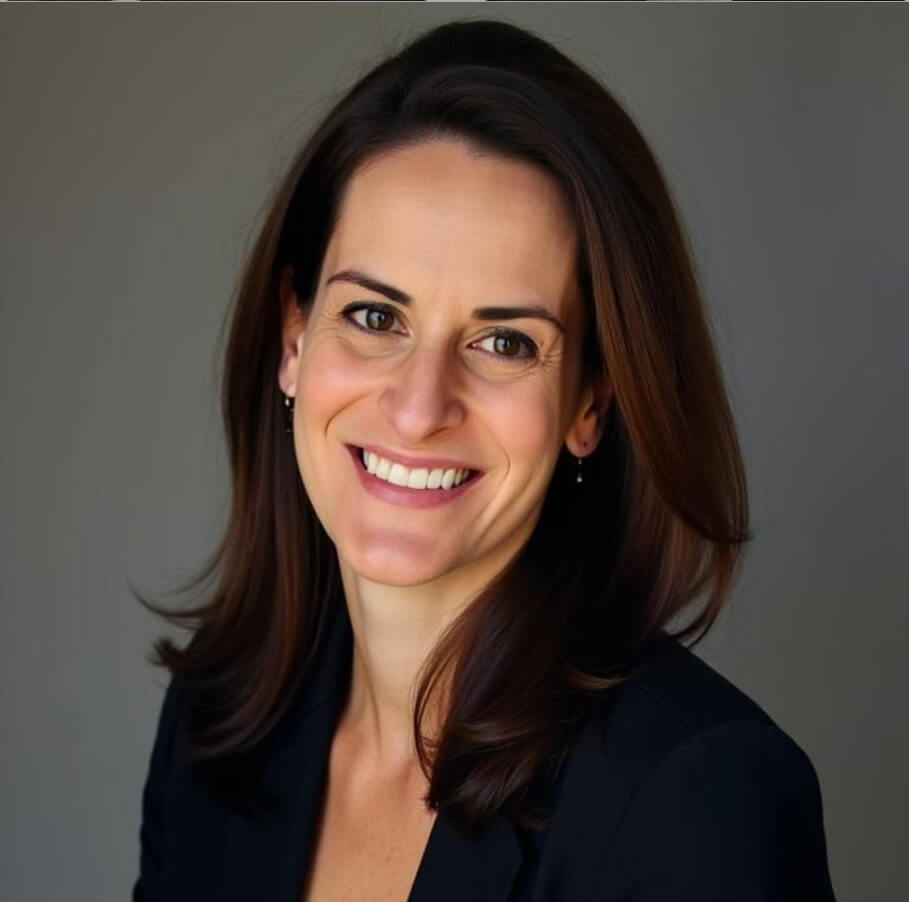
Missy Olive, PhD, BCBA-D, LBA

Melissa “Missy” Olive, Ph.D., BCBA-D, LBA, is the Executive Director of the Florida Association for Behavior Analysis (FABA) and Professor of Practice and Online Program Director at Simmons University. She previously served as Chief Clinical Officer for Adapt for Life and Cultivate Behavioral Health and Education. Cultivate acquired her company, Applied Behavioral Strategies (ABS), which she founded in 2010 and directed until its acquisition in 2020. Earlier in her career, Missy worked at The Center for Autism and Related Disorders (CARD) in Austin, TX and Larchmont, NY.
Before entering the ABA service delivery space, Missy spent nine years in higher education at the University of Texas at Austin and the University of Nevada, Reno, where she conducted research and trained special education teachers and behavior analysts. She currently serves as Vice President of the Progressive Behavior Analyst Autism Council (PBAAC) and previously held numerous leadership roles, including Co-Director of Public Policy for FABA and multiple board and legislative positions with the Connecticut Association for Behavior Analysis (CTABA). She has also served in leadership roles with the Division of Early Childhood (DEC) of the Council for Exceptional Children (CEC) and as President of the Texas Council for Exceptional Children (TX-CEC).
Missy has contributed extensively to the scholarly literature, publishing over 30 peer-reviewed articles and book chapters on assessment and treatment of challenging behavior, communication, feeding disorders, and ethics in ABA. She has secured more than $1.6 million in federal and state funding for research and training. Her current professional interests include feeding disorders, severe challenging behavior, ethical practice, clinical compliance, and ABA services in school settings.
Missy is the guardian of her youngest brother, Mac, is married to Norm, and enjoys boating, biking, and traveling in her free time.

Alexandra Tomei, BCBA, LBA

Alexandra is a dedicated professional with a passion for child and youth development with over 15 years of experience in the field of Applied Behavior Analysis (ABA). She has worked with small and large organizations and currently works to elevate standards of care and create pathways to clinical supports.  She has participated in the development of or directly authored published works in the topic areas of public policy, advocacy, treatment quality, school services, ethics, and artificial intelligence.  In 2024, Alexandra was elected to a term on the COABA board and is currently serving as the Chair of the Professional Development Committee. She leads the committee in supporting opportunities for learning via webinars and fully running the annual conference. She also supports public policy initiatives in the state through the public policy committee and was part of the COABA public policy team that won the Autism Law Summit award for excellence in advocacy in 2023.
Currently, Alexandra serves as the Director of Clinical Standards for BlueSprig. In this role, she collaborates across departments to establish clinical standards and operating procedures, ensuring that the organization delivers the highest quality clinical services to their clients and families. She coordinates all the clinical committees ensuring there are multiple psychologically safe pathways for support to any and all clinical needs and supports measurement and reporting on clinical outcomes. Alexandra also serves on CASP SIGs (including the AI Core Workgroup and leading the Ethics SIG), is a clinical quality help desk SME for NASQN, and serves as a public policy SME for APBA. She also holds the credential of Lean Six Sigma – White Belt, earned in October 2025, and an AI in Healthcare Certificate from Stanford Online, earned in January 2026, further demonstrating her commitment to process improvement and operational excellence.

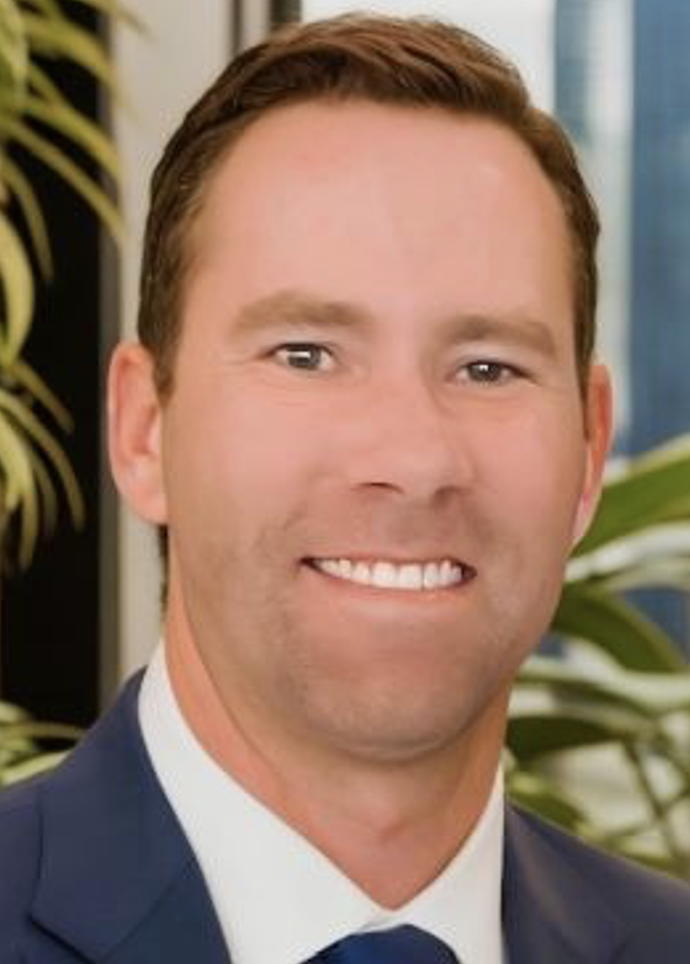
Adam Hahs, PhD, LBA, BCBA-D

Dr. Adam D. Hahs is the Chief Clinical Officer at Caravel Autism Health. He is the former Director of the Master of Science in Applied Behavior Analysis program in the Department of Psychology at Arizona State University and former Chief Science Officer at Hopebridge Autism Therapy Centers. He earned his doctoral degree from Southern Illinois University-Carbondale where his where his research foci were language generativity and clinical behavior analysis with individuals with autism and related developmental disabilities, traumatic brain injuries, and addiction. Most recently, he received a certificate from Harvard University in Artificial Intelligence and is currently pursuing designation in AI studies from Stanford University. Dr. Hahs was a Missouri Association for Behavior Analysis Board member for 3 years prior to moving to Arizona, and he was President for the Arizona Association for Behavior Analysis. He is on the Editorial Board of Behavior Analysis in Practice and serves as a guest reviewer for the Journal of Contextual Behavioral Science and Behavioral Interventions. He sits on the CASP AI/ML workgroup and authored guidance regarding thoughtful AI integration into ABA. Dr. Hahs has dedicated over 20 years to supporting and training others in a variety of settings via behavior analytic methods, and he views behavior analysis as science capable of facilitating widespread, societal change.