


Member Spotlight: Mark Palmieri
Meet Mark Palmieri
Co-Executive Director of the Center for Children with Special Needs
Biography
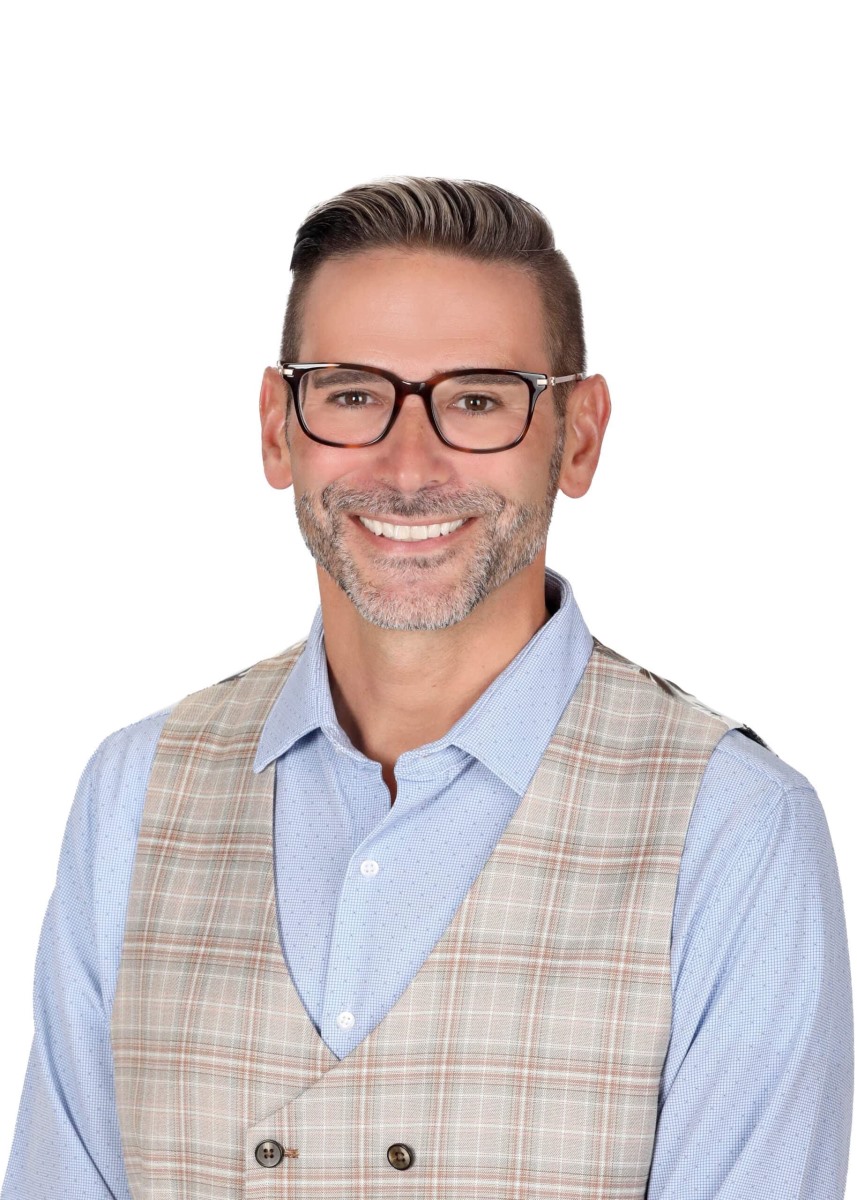 Dr. Mark J. Palmieri is co-executive director of the Center for Children with Special Needs, a licensed psychologist, and a Board Certified Behavior Analyst at the doctoral level (BCBA-D). He provides psychological evaluations, co-directs the Feeding Clinic and the Behavioral Sleep Clinic, and supports program development for clinical and school consultation services. His work focuses on interdisciplinary service delivery, organizational leadership, and improving outcomes for individuals with autism and their families. He also serves as an assistant clinical professor at the Yale Child Study Center.
Mark received his doctoral degree from the Graduate School of Applied and Professional Psychology at Rutgers University. Before joining CCSN, he completed his pre-doctoral rotations at the May Institute where he provided school consultation services and behavioral treatments for individuals with autism and other developmental disabilities, as well as for individuals with traumatic brain injuries. He also facilitated school-wide positive behavior support programming in schools across New Jersey as part of a state initiative sponsored through the New Jersey Department of Education in collaboration with the Elizabeth M. Boggs Center on Developmental Disabilities.
Interview
Tell us about the Center for Children with Special Needs. What are you most proud of?
CCSN is a multidisciplinary practice where we really strive to be a family's home for care, where they can access ABA, speech, psychotherapy, and OT services and evaluations, and feel like all of their providers know them and accept them and welcome them. We have the pleasure of serving quite a wide array of patients from itty bitty—just shy of two years old—up through adulthood. We have quite a large presence in the schools as well as our centers, so we do a lot of consultation in educational settings. We have a diverse array of services, and we hope that means families can feel at home, kind of a a single stop. And when their providers have to integrate, they all work in the same building, so it's a little easier. Our providers are very passionate about the care they provide for the kids and how actively we integrate our patients and their families into the care. Everyone is dedicated and cares so so much. It's really a family systems approach here, and that makes me really proud.
What, in your opinion, is the single biggest challenge faced by autism service providers today?
Balancing quality against logistical pressures. How do you provide best-in-class service while dealing with payer limitations, while dealing with only so many hours to see a kid, while dealing with staff turnover? Clinicians have a vision of what excellence looks like, but the world's logistics make it hard. I think that balance is something that stresses our newest to our most senior providers.
As an autism service provider, what have you found to be the biggest benefit of CASP membership?
Having a community of others who are experiencing the same journey, that's a substantial benefit. I have found whether it's times that other CASP members call us asking for our ideas, or where we've done the same, the idea that there's a community and that you're not doing anything but trying to help each other has always permeated through CASP, and certainly a significant portion of what keeps us heavily invested in it.
When you're not working, what do you like to do for fun?
Cook, cook, cook. I love cooking! Ribs and paella are two crowd favorites, for sure. But our family really just loves exploring and cooking, and we grow a lot of food at home, and then all summer long we're cooking it. Being able to eat what we grow, and invent, is really a fun thing. So a lot of our family centers around the kitchen table, and we love that.