
Back to Events
Webinars

New 2027 ABA CPT® Codes: ​What Providers Need to Know​

Thursday, October 22, 2026
12:00 PM - 1:30 PM (EDT)

Event Details

Abstract

This presentation will provide a detailed review of the finalized adaptive behavior services CPT code set and its implications for clinical practice, billing, documentation, and payer implementation. Building on the code changes approved by the American Medical Association CPT Editorial Panel in September 2025, the session will examine the six new CPT codes (97148, 97149, 97159, 97160, 97173, 97180) added to the adaptive behavior services family, the revisions to codes 97151-97158, the updated guidelines governing code use, and the deletion of Category III codes 0362T and 0373T, with implementation tied to the January 2027 effective date. Designed for providers, administrators, billers, advocates, and payer-facing leaders, the presentation will move beyond a policy update to offer a practical walkthrough of the revised code structure. It will highlight what each new or revised code is intended to capture, how the updated guidelines affect code selection and documentation expectations, and where organizations should focus operationally to prepare. Attendees will leave with a clearer understanding of the full scope of the adaptive behavior coding revisions, the rationale behind the restructuring of the code set, and the key decisions required to support compliant, accurate, and sustainable implementation across service settings.

Learning Objectives

  1. Participants will describe the major structural changes to the adaptive behavior services CPT code set.
  2. Participants will differentiate the intended use of the new and revised adaptive behavior services codes and explain how updated guidelines influence code selection, documentation, and reporting.
  3. Participants will identify key operational steps they should take to prepare for implementation to ensure ongoing organizational compliance.

This webinar offers 1.5 BACB Learning CEU.

CASP Webinar registration fees are nonrefundable.

Questions? Contact us.

Presenters

Mariel Fernandez, MS, BCBA, LBA
Mariel Fernandez is Vice President of Government Affairs at the Council of Autism Service Providers (CASP) and a Board-Certified Behavior Analyst (BCBA) licensed in Texas. She earned her master’s degree in applied behavior analysis from Auburn University in 2004. A passionate advocate for access to evidence-based care, Mariel leads CASP’s advocacy, public policy, and legislative efforts at the state and federal levels. She is CASP's primary representative on the ABA Coding Coalition. She serves on the Texas Department of Licensing and Regulation Behavior Analyst Advisory Board and is a former President of the Texas Association for Behavior Analysis Public Policy Group. Mariel works closely with state regulatory and legislative agencies, Medicaid programs, and offices of insurance, inspectors general, and attorneys general. At the federal level, she engages with HHS OIG, CMS, the Defense Health Agency, Office of Personnel Management (OPM), and the Office of Management and Budget (OMB) on issues affecting behavior analysts and access to autism services. In 2026, she received the APBA Jerry Shook Award for her efforts to protect access to care for TRICARE and Medicaid beneficiaries nationwide.
Jenna Minton, JD
Jenna is licensed to practice law in Maryland and is a member of the Maryland State Bar Association. In her early career she spent 5 years in the metro DC area, working for medical non-profits learning the ins and outs of the regulatory process.  Following that, she spent 10 years as the Director of Operations and Interim Executive Director for a large non-profit ABA organization in Michigan.  In 2013, she founded Minton Healthcare Strategies, now known as Proactive Strategies, LLC (PS) who specializes in guiding clients through the development of Current Procedural Terminology (CPT) Codes which are used to report medical, surgical, diagnostic, and therapeutic procedures.  We then support the subsequent valuation of those codes through the American Medical Association's process (the AMA Relative Update Committee).  We also have extensive experience navigating the Medicare and Medicaid regulatory processes. Clients we work with include: applied behavior analysis provider organizations and coalitions, medical specialty societies, and virtual technology companies.  Team Proactive provides assistance in the following areas: claims processing, audit, accreditation, contracting, and strategic / succession planning.  In 2022, we grew our team to five, and in 2025, we've added our first clinically trained team member! We look forward to what the future holds. 
Kristen Koba-Burdt, BCBA, LBA, CDP
Kristen Koba-Burdt, BCBA, LBA, CDP (she/her) is a licensed and Board Certified Behavior Analyst, and a Certified Diversity Professional (CDP®). She serves as the Director of Clinical Operations for BAYADA, a not-for-profit organization. Whether in an official capacity or of her own volition, Kristen has tirelessly dedicated numerous hours to advocacy and advancement of the field of applied behavior analysis. In 2024, Kristen was awarded the Council of Autism Service Providers (CASP) Mission Award and in 2019 she received the Outstanding Sustained Advocacy Award at the Autism Law Summit for her efforts related to consumer access to services, supporting families in rural and underserved areas, and focusing on increasing provider knowledge related to autism policy. Additionally, she serves on the ABA Coding Coalition as a representative for CASP. She is devoted to supporting underserved communities to access ABA, creating career opportunities for a diverse workforce, and continuing to learn and grow to enhance equity and inclusion in all facets of her work. 
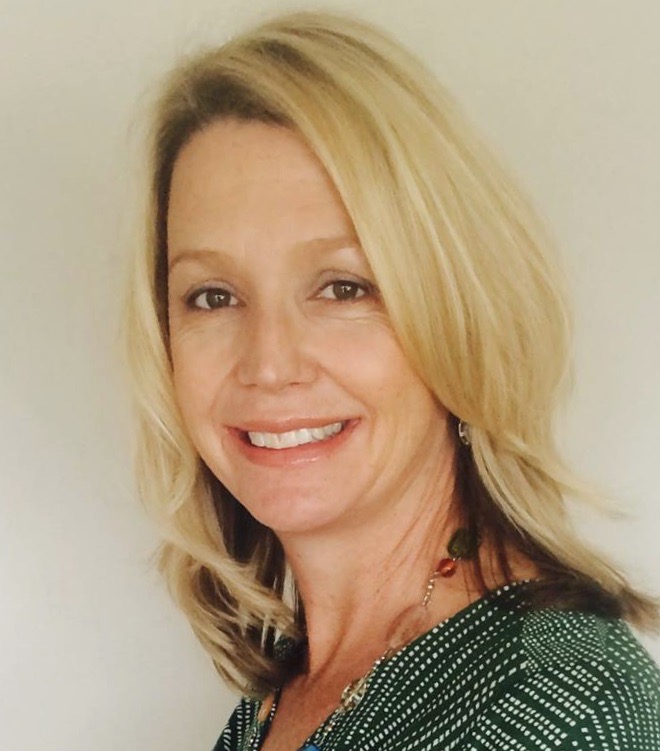
Allyson Moore, MS, BCBA, LMFT
Allyson Moore, MS, BCBA, LMFT is the Chief Professional Standards Officer for the Center for Applied Behavior Analysis (CABA). She collaborates with leadership team members in developing and implementing clinical best practices. Allyson served as President and Past President for the Association of Professional Behavior Analysts (APBA), currently serving as an advisor and on the ABA Coding Coalition as principal representative of APBA. She is a member of the Council of Autism Service Providers (CASP) special interest groups of Documentation, Multispecialty Practices, and California Advocacy, and serves as chair of CASP's Client Outcomes SIG. She has extensive experience serving individuals with autism spectrum disorder (ASD) and other neurodevelopmental and mental disorders, as well as working in coordination and collaboration with primary caregivers, stakeholders, and other related public and private agencies.

Julie Kornack
Julie Kornack has spent more than a decade increasing access to mental health services by shaping legislation, regulation, and policy at the federal, state, and local levels. Her work includes identifying, developing, and supporting federal and state initiatives that safeguard and increase access to autism services and supports, as well as analyzing the impact of federal and state legislative and regulatory developments on access to mental health services. She is co-author of The Diversity Is in the Details: Unintentional Language Discrimination in the Practice of Applied Behavior Analysis and A Response to Papatola and Lustig’s Paper on Navigating a Managed Care Peer Review: Guidance for Clinicians Using Applied Behavior Analysis in the Treatment of Individuals on the Autism Spectrum, published in Behavior Analysis in Practice, and is the author of The History, Pitfalls, and Promise of Licensure in the Field of Behavior Analysis, published in Handbook of Treatments for Autism Spectrum Disorder. Her analysis of the economics of autism treatment was published in the Handbook of Early Intervention for Autism Spectrum Disorders: Research, Policy, and Practice, and she was an editor of Evidence-Based Treatment for Children with Autism: The CARD Model. She is the ABAI representative on the ABA Billing Codes Commission. She co-founded and serves on the board of directors of the National Coalition for Access to Autism Services and serves on multiple state and national advisory councils, committees, and task forces. She has helped develop disability health policy for state and federal political campaigns, and she is a co-author of the Democratic National Committee’s Disability Primer for Democratic Candidates.